
 By
By 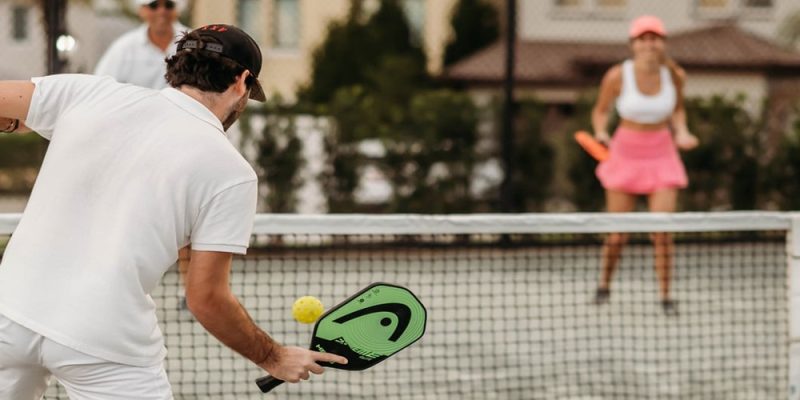
Tennis players often seek familiar court feelings. Paddle choice strongly shapes that first pickleball experience. Grip length and weight balance influence comfort and swing rhythm. Former tennis athletes usually prefer familiar mechanics and longer reach. The right paddle supports that natural swing path. So early adaptation becomes smoother and more enjoyable.
Many retailers guide this transition with specialized paddle selections. One trusted equipment source is Just Paddles. Product guidance from experienced retailers helps former tennis players choose wisely. A carefully selected paddle reduces adjustment frustration and encourages confident rallies on a new court surface.
Handle Length and Familiar Tennis Mechanics
Tennis players rely on extended grip positions. A long paddle handle supports that familiar grip style. Two handed backhands feel easier with added handle space. So, muscle memory remains useful during early play sessions. Traditional pickleball paddles often feature shorter handles. That design suits many recreational pickleball athletes. But former tennis competitors prefer extra grip length for control. A longer handle improves leverage during topspin drives and powerful serves.
Retailers like Just Paddles often highlight paddles built for this transition. Detailed product descriptions emphasize handle dimensions and grip ergonomics. Knowledgeable buyers often start with those specifications.
Weight Distribution and Swing Familiarity
Paddle weight changes the entire hitting experience. Tennis players often prefer slightly heavier paddle frames. Added mass helps generate controlled power and stable impact feedback. Now balanced paddles mimic the momentum of tennis racquets. Head weighted designs create a smoother forward swing path. That balance encourages confident drives and passing shots. Light paddles move quickly at the kitchen line. But extremely light paddles can feel unstable to tennis athletes. Contact feedback becomes softer and sometimes unpredictable. Specialty retailers such as Just Paddles frequently categorize paddles by swing feel. That classification simplifies the selection process for transitioning athletes.
Paddle Shape and Court Coverage
Paddle face shape strongly influences reach and control. Tennis players often prefer elongated paddle designs. That shape extends reach during defensive shots. Extended paddle faces create larger vertical hitting zones. Baseline exchanges become easier with expanded contact space. So, tennis style groundstroke patterns remain effective. Sometimes standard paddle shapes feel compact to experienced racquet athletes. Shorter faces reduce familiar reach and timing rhythm. Adjustment periods then become longer.
Elongated paddles help bridge that mechanical gap. The swing arc resembles tennis stroke geometry. Contact points align more naturally with former tennis timing habits. Many players searching for exceptional advanced best pickleball paddles prioritize this elongated design category. The design preserves reach while maintaining legal paddle dimensions.
Conclusion
Paddle handle length supports familiar grip techniques and two-handed backhands. Balanced weight distribution improves swing rhythm and shot confidence. Elongated paddle faces also preserve reach and timing comfort. Advanced surface materials create spin control similar to tennis racquets. Comfortable grips stabilize every rally and volley.









Comments